Product Description
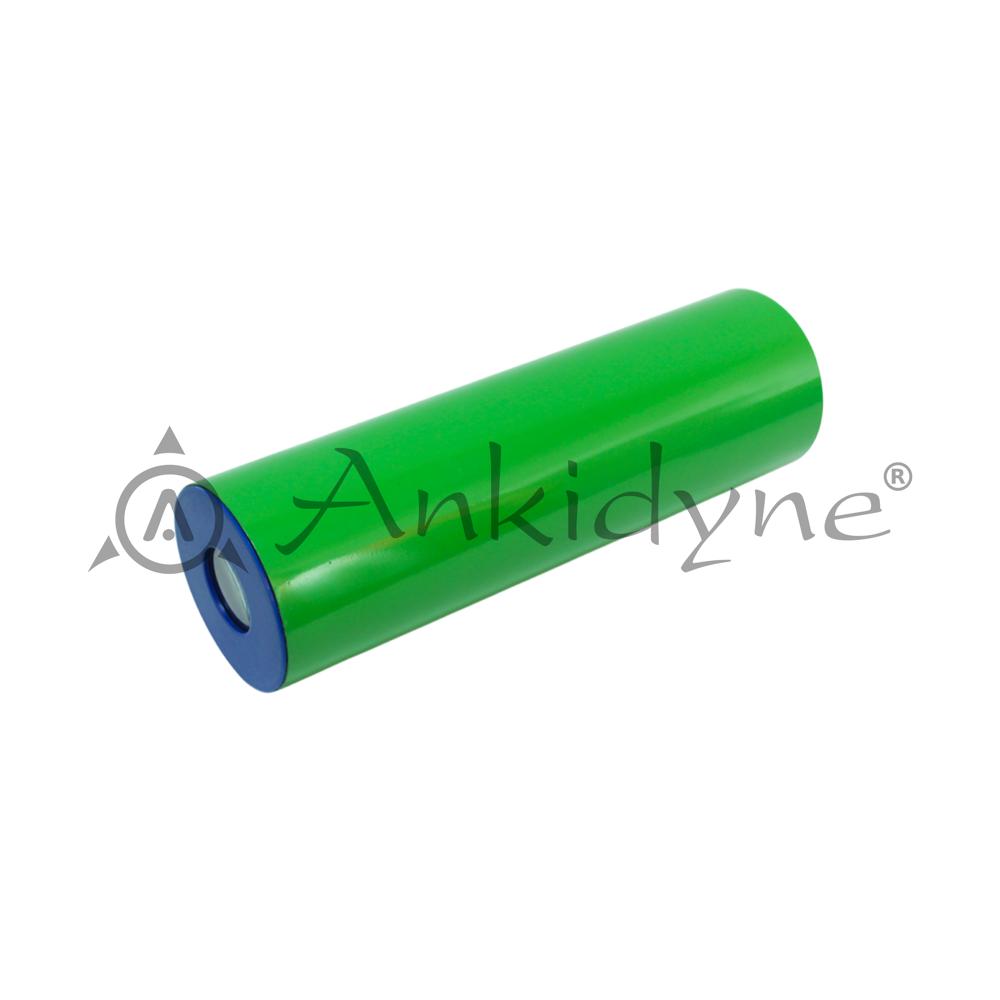
The Ankidyne Simple Camera Model is a practical educational teaching aid designed to help students understand the basic principles of optics, light, and image formation. Suitable for Class 610 students (ages 1116), this hands-on model demonstrates how light enters through a small aperture and forms an inverted image, making abstract physics concepts easy to visualize and understand.
Ideal for classroom demonstrations, laboratory activities, science exhibitions, and STEM learning, the model encourages experiential learning by allowing students to observe the behavior of light in real time. Its durable construction, compact design, and easy operation make it an effective resource for teachers and science educators.
Perfect for schools, coaching institutes, science laboratories, and educational training centers, the Ankidyne Simple Camera Model supports interactive learning and strengthens students' conceptual understanding of optics.
Built for Educational SuccessThe Simple Camera Model is crafted for active learning environments, making complex optics concepts accessible to young minds. Its transparent lens enables learners to observe camera operation, supporting teachers in providing clear, interactive lessons. This model ensures students safely engage with scientific principles thanks to its child-friendly design and non-toxic materials.
Compact and Durable DesignWeighing only about 80 grams and with a smooth, glossy finish, this camera model is easy to handle by children and educators alike. The sturdy cylinder/tube construction and quality plastic ensure durability for frequent classroom use, while the vibrant color scheme adds visual appeal. Its compact size allows for easy storage and transport.
FAQ's of Simple Camera Model:
Q: How can students use the Simple Camera Model in science classrooms?
A: Students can use this model to visually explore and understand the fundamental working principle of cameras and basic optics concepts. By observing how light passes through the optical-grade acrylic lens and forms an image, they grasp hands-on, practical knowledge, making lessons more engaging and effective.
Q: What materials are used to manufacture the Simple Camera Model, and is it safe for children?
A: The camera model is made from high-quality, non-toxic plastic with an optical-grade acrylic lens. Its design is specifically tailored to be safe for school children, with smooth edges and materials that meet strict safety standards.
Q: When is the Simple Camera Model most effectively used in classroom settings?
A: This model is most effective during optics chapters, science lab experiments, or classroom demonstrations focused on light, lenses, and image formation. It aids teaching both basic and intermediate optics concepts for children aged 6 and above.
Q: Where should the Simple Camera Model be stored when not in use?
A: After use, it should be placed back in its individual protective packaging to safeguard the lens and body from scratches or dust. Store it in a dry, accessible cupboard or laboratory drawer to maintain its longevity and readiness for future lessons.
Q: What benefits does the Simple Camera Model provide for optics learning?
A: The model provides a tangible way for students to connect theoretical principles to real-world applications. By manipulating the tube and observing light passage, students build deeper understanding and retention of camera operation and fundamental optics.
Q: How does the Simple Camera Model demonstrate the camera's working principle without electricity?
A: It uses manual operation, relying solely on ambient light passing through the transparent lens. This simplicity lets students focus directly on core optical phenomena without distractions from electronic components.