Product Description
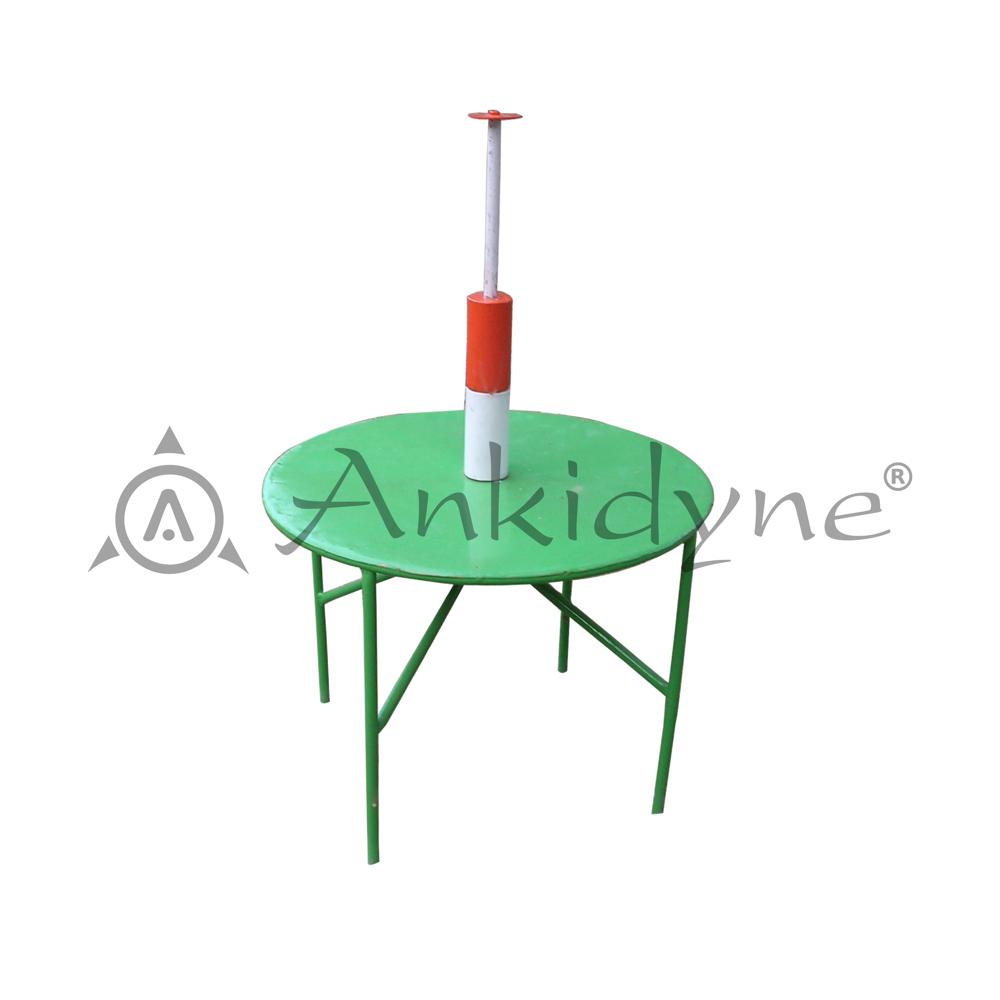
The Rotating Turntable Science Exhibit is a bold, colourful outdoor interactive physics demonstration unit designed for science parks, school playgrounds, open-air STEM learning zones, and educational recreational areas. This exhibit features a large green circular rotating tabletop mounted on a green steel leg frame, with a central red and white rotating spindle/axle post rising from the centre allowing children and educators to perform hands-on experiments demonstrating centripetal force, rotational motion, angular velocity, and angular momentum in a direct, experiential way. Simple to operate yet rich in scientific content, this exhibit is one of the most universally engaging science demonstrations connecting everyday experiences like spinning tops, merry-go-rounds, and planet orbits to core physics principles.
Explore Mathematical Paradoxes Up CloseDelve into the intriguing world of mathematical illusions with the 1+1<1 Illusion Exhibit. Specially created for educational spaces, it allows visitors to physically interact with the display, fostering a deeper curiosity about abstract mathematical concepts. The exhibit not only entertains but also challenges perceptions, opening the door for lively discussions and enhanced classroom learning.
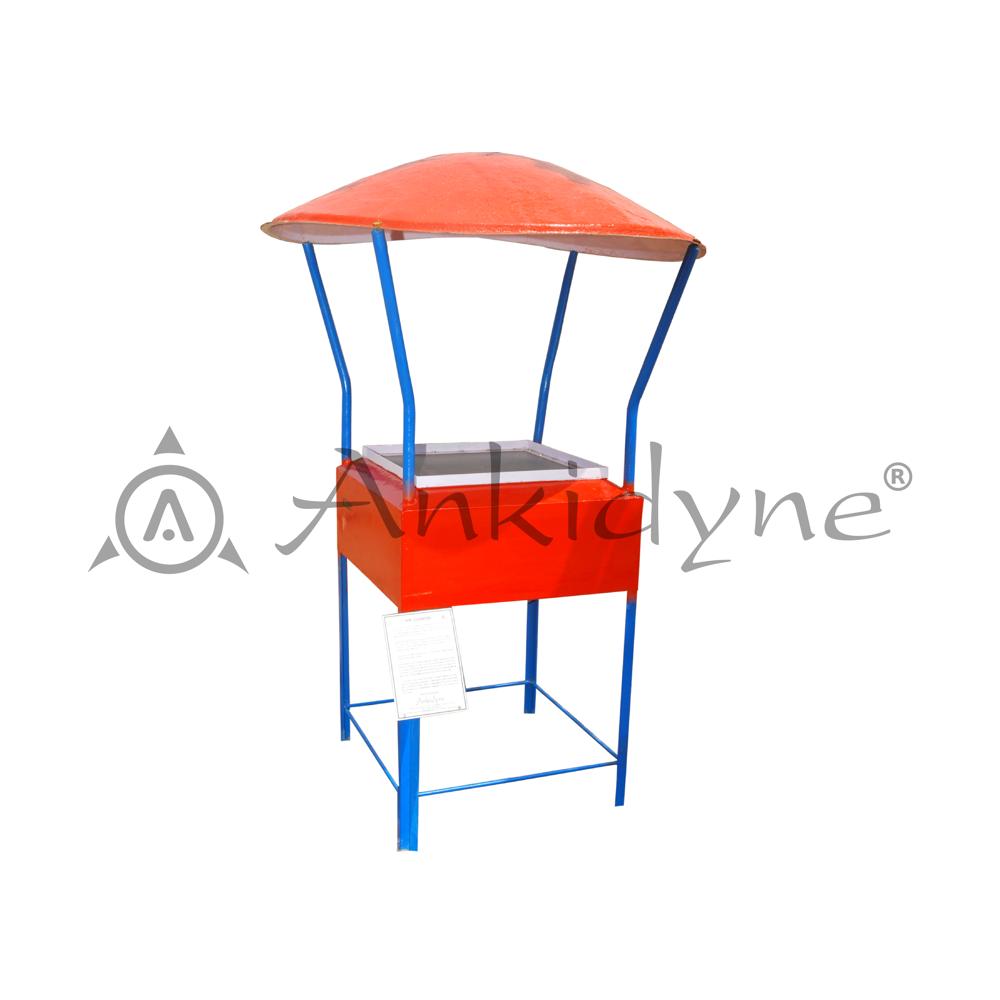
Effortless Setup and MaintenanceInstalling and relocating the exhibit is a breeze thanks to its free-standing, stable design. Maintenance is equally straightforward-the powder-coated surfaces resist stains and are easy to clean, ensuring longevity and hygiene. With a purely manual operation, you'll never need to worry about electrical connections or power outages.
FAQ's of 1+1<1 - Illusion Exhibit:
Q: How does the 1+1<1 Illusion Exhibit demonstrate a mathematical illusion?
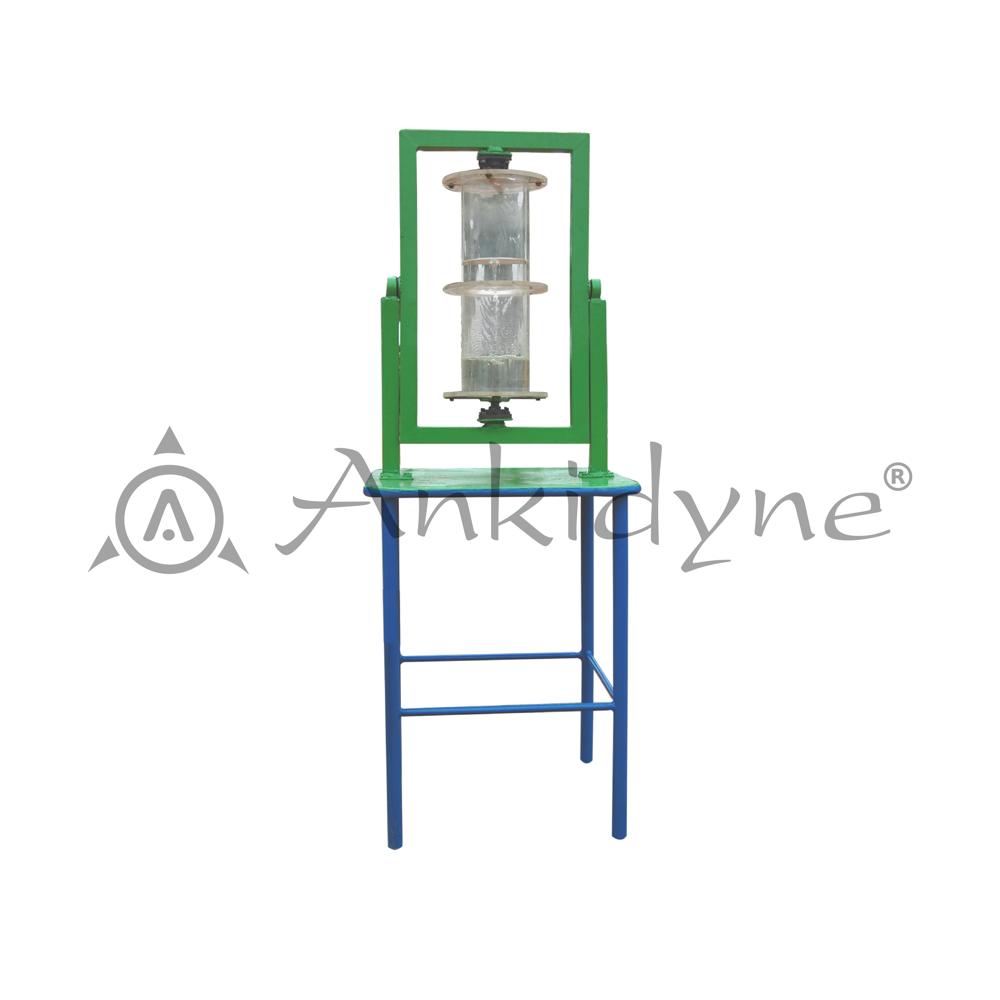
A: The exhibit uses an interactive central mechanism to visually and physically demonstrate the mathematical paradox of 1+1 appearing to be less than 1. By manipulating components, users experience firsthand how perception can challenge mathematical logic, prompting them to think critically about numbers and reality.
Q: What is the primary usage of this exhibit in science museums or schools?
A: Its primary function is as a hands-on learning and interactive demonstration tool. It encourages participants, especially school children, to actively engage with concepts of mathematical illusion and paradox, making abstract principles accessible and memorable through tactile exploration.
Q: When is the best time to incorporate this exhibit into educational programs?
A: The exhibit fits seamlessly into science fairs, math weeks, special school events, or daily interactive sessions in science museums and parks. Its durable build supports frequent use, whether incorporated as a permanent display or a featured activity during thematic events.
Q: Where should this illusion exhibit be installed for maximum benefit?
A: Ideal locations include science museums, children's science centers, classrooms, and other educational spaces where hands-on learning is prioritized. It is best placed in interactive zones or math-focused areas to spark curiosity and invite participation.
Q: What materials are used and how does this impact upkeep?
A: The exhibit is constructed from powder-coated mild steel and durable plastic, making it highly resistant to wear and easy to clean. This design choice ensures minimal maintenance, allowing for straightforward, hygienic care with regular wiping of surfaces.
Q: How do visitors interact with the 1+1<1 Illusion Exhibit?
A: Visitors use the central apparatus manually to trigger the mathematical illusion. The colorful, approachable design invites users to experiment and observe the paradox in action, facilitating self-guided discovery and group discussions.
Q: What educational benefit does the exhibit offer to visitors?
A: It enhances conceptual understanding of mathematical paradoxes by transforming abstract ideas into tangible experiences. The exhibit promotes critical thinking, problem-solving, and collaborative discussion-making mathematical learning engaging, memorable, and fun for all ages.