
 Send Inquiry
 0804580023608045800236


 English
 Spanish
 French
 German
 Italian
 Chinese (Simplified)
 Japanese
 Korean
 Arabic
 Portuguese
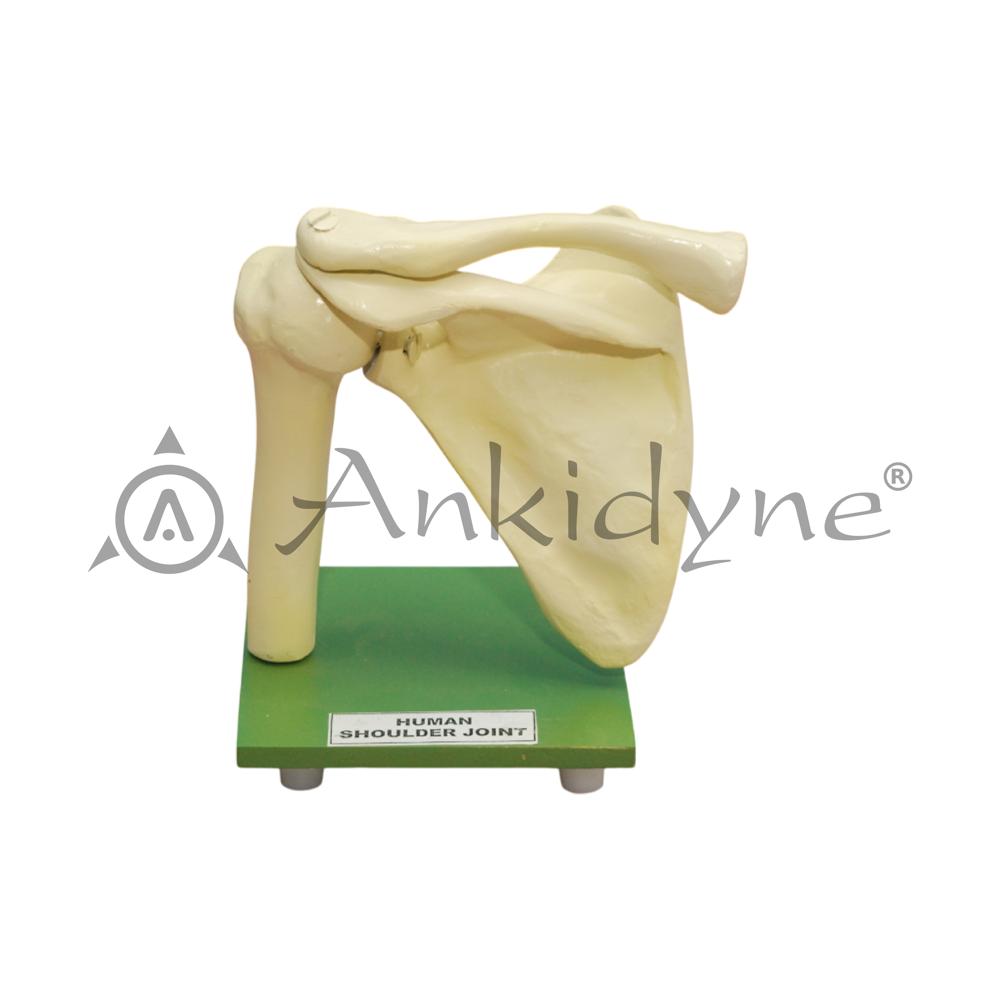
Human Joints Models
1091.0 INR/Pack
Product Details:
X
Human Joints Models Price And Quantity
- 4 Pack
- 1091.0 INR/Pack
Product Description
The Human Joints Teaching Model is an ideal resource for anatomy and physiology classes,biology laboratories, and medical training programs. It enables students to grasp the intricate
details of joint mechanics, facilitating a deeper understanding of the
human musculoskeletal system.
Tell us about your requirement

Price:
Quantity
Select Unit
- 50
- 100
- 200
- 250
- 500
- 1000+
Additional detail
Mobile number
Email

Other Products in 'Teaching Aids' category


Contact Details

- No. 46, 1st Main Road, New Colony, Chromepet,Chennai - 600044, Tamil Nadu, India
- Phone : 08045800236
ANKIDYNE PLAYGROUND EQUIPMENTS & SCIENCE PARK
An ISO 9001 : 2015 Certified
An ISO 9001 : 2015 Certified

- Mr Padmanabhan A S (Marketing Director)
- Mobile : 08045800236
- info@ankidyne.com
- Fax : +91 44 66904488

|


 Send Inquiry
 Send SMS
ANKIDYNE SCIENCE PARK & PLAYGROUND EQUIPMENTS
All Rights Reserved.(Terms of Use)
Developed and Managed by Infocom Network Private Limited.
Developed and Managed by Infocom Network Private Limited.

