Product Description
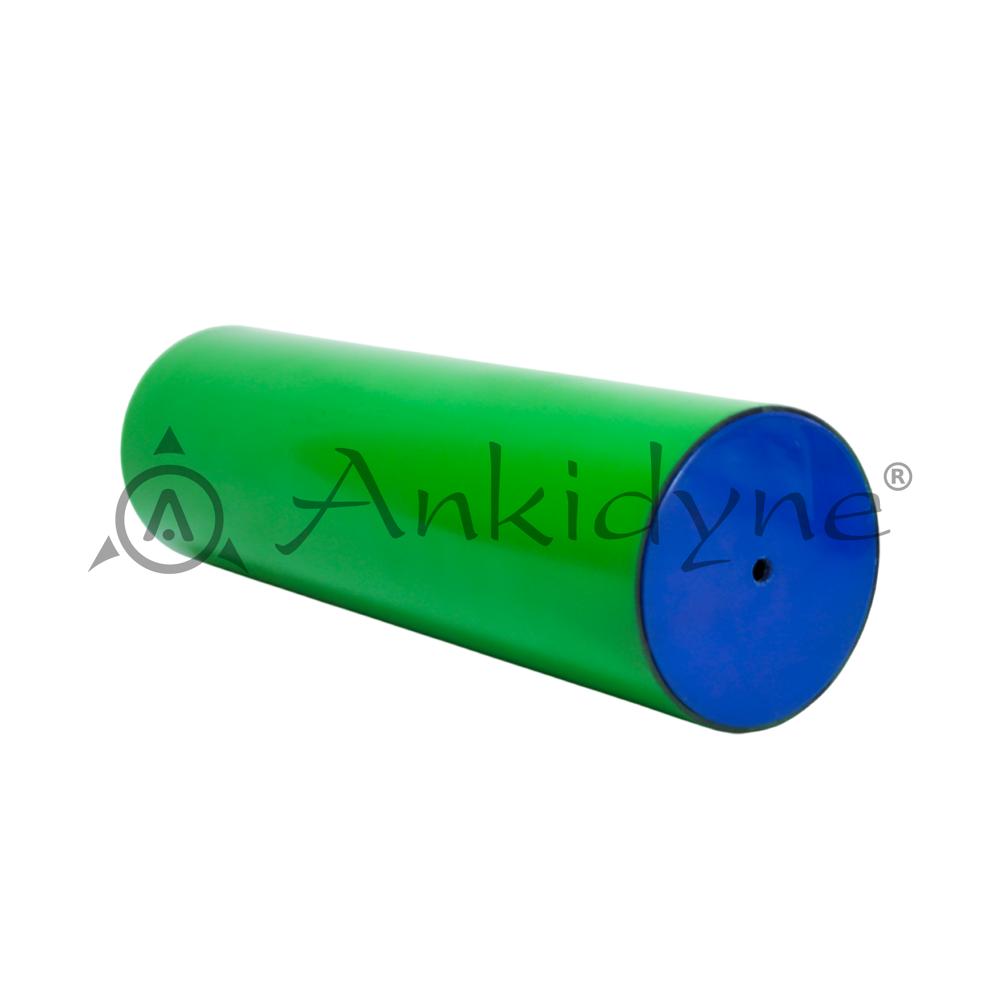
The Pin Hole Camera Teaching Aid by Ankidyne is an interactive STEM learning model designed to help students understand the principles of light travel and image formation without the use of a lens. It demonstrates how light travels in straight lines and forms a real, inverted image through a tiny aperture (pinhole). This hands-on educational model makes abstract physics concepts easy to visualize, enhancing classroom engagement and practical learning.
Ideal for Class 610 students (1116 years), the model supports school science laboratories, STEM education programs, teacher demonstrations, and science exhibitions. It aligns with modern educational standards and encourages inquiry-based learning through observation and experimentation.
Hands-On Learning Aid for Image FormationThis Pin Hole Camera provides a practical approach to understanding image formation and basic optics in physics education. Suitable for demonstrations and student projects, it visually explains how light and pinholes create inverted images, reinforcing theoretical concepts with tangible experience. Its durable construction ensures repeated classroom use.
Ready-to-Use and Safe for StudentsArriving fully assembled, this educational device eliminates the need for complex setup. The non-electric, manual design ensures students can operate it safely. Its robust plastic body withstands active classroom environments, offering reliable performance for both teachers and students alike.
FAQ's of Pin Hole Camera:
Q: How does the pin hole camera demonstrate image formation?
A: The pin hole camera demonstrates image formation by allowing light to enter through its tiny 1 mm diameter pinhole. As light passes through, it projects an inverted image of the outside object onto the interior surface, illustrating the principle of how images are formed with minimal optical elements in physics.
Q: What age group is the pin hole camera suitable for?
A: This pin hole camera is best suited for school students aged 8 years and above. Its simple design, safe materials, and no requirement for electricity make it appropriate and easy for young learners in classroom environments.
Q: When and where is the pin hole camera typically used?
A: The pin hole camera is typically used during physics lessons and hands-on experiments in classrooms or science labs to help students visualize and understand image formation. It can also be used in educational workshops and demonstrations focused on basic optics.
Q: What is the maintenance process for the pin hole camera?
A: Maintenance is straightforward: simply wipe the exterior with a dry cloth and keep the camera away from moisture to preserve its opaque coating and plastic body. No additional cleaning materials or procedures are required.
Q: Where does the image appear when using this camera, and what does it look like?
A: The image appears on the inside surface directly opposite the pinhole. This image is clear and inverted (upside down), illustrating the concept of light traveling in straight lines and basic optics principles.
Q: What materials are used in the construction of the camera and is it lightweight?
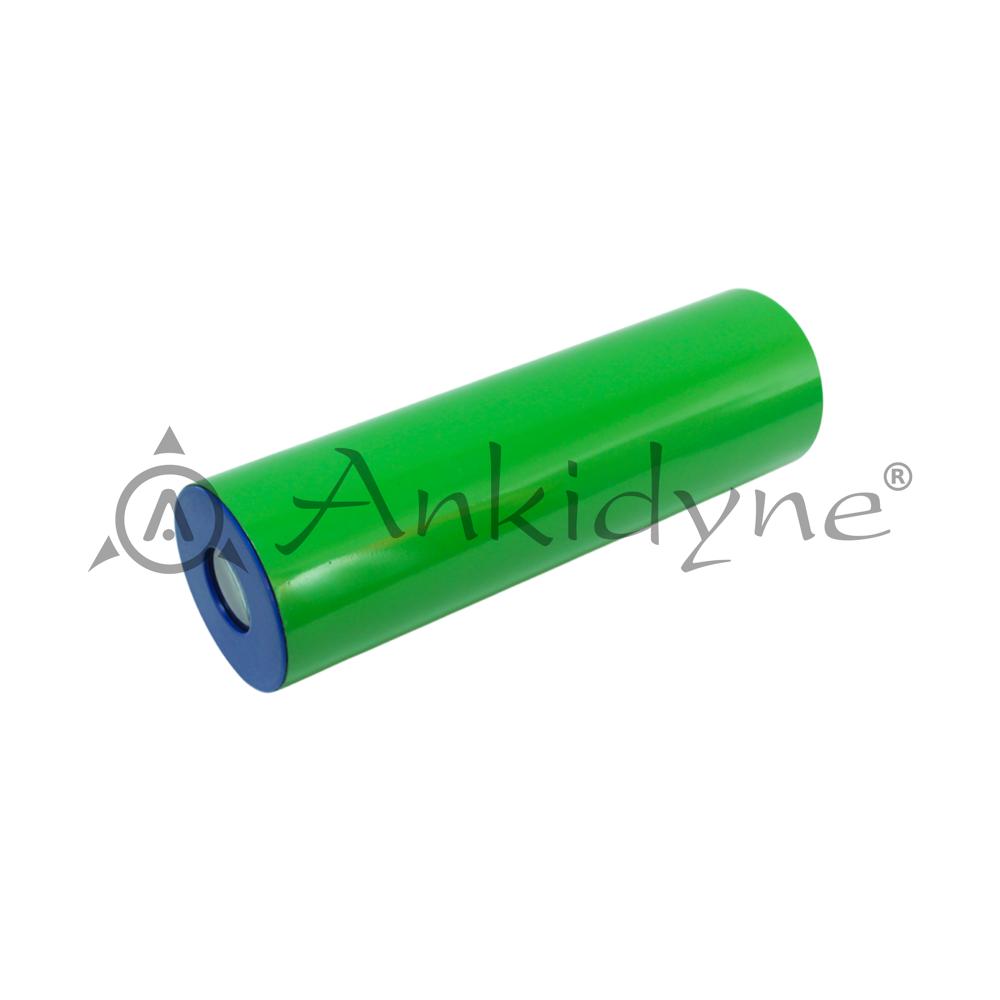
A: The camera is constructed from durable plastic with an opaque coating, featuring a green body and blue lid. It is lightweight, weighing approximately 150 grams, making it easy for students to handle and carry.
Q: What are the benefits of using a pin hole camera in the classroom?
A: Using a pin hole camera in the classroom helps students directly observe optical principles, such as image inversion and formation without lenses. It supports interactive, inquiry-based learning and aids in visualizing abstract scientific concepts.